
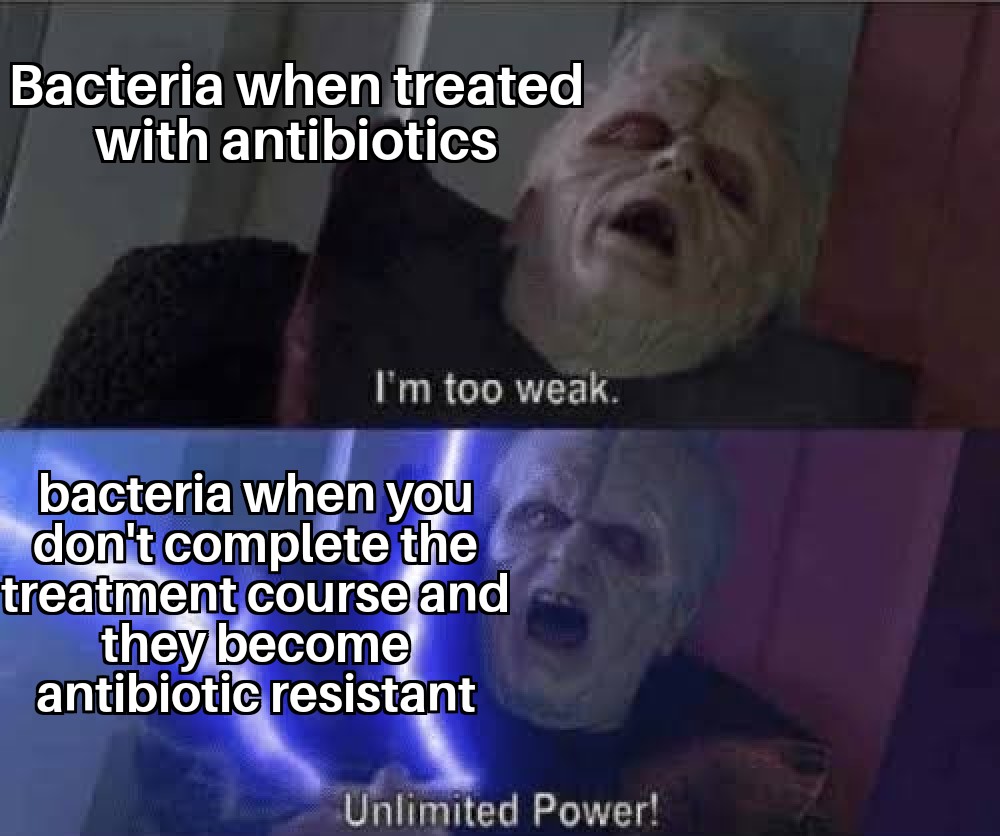
When antibiotics were first discovered, they were considered to be a “miracle drug,” as they were able to treat previously life-threatening infections. They continued to have this reputation for quite some time and as a result, many new antibiotics were developed during this time. However, as people started to become more aware of how useful these drugs were, more people began to overuse them. This includes, but is not limited to, using antibiotics to treat infections not caused by bacteria, feeding livestock antibiotics, and the misuse of antibiotics prescribed to treat bacterial infections. This overuse has produced a variety of negative consequences related to human health. In general, bacteria that were once effectively treated with “safe” antibiotics are now becoming resistant through advantageous mutations and gene transfer. These drug-resistant bacteria must now be treated using antibiotics that pose greater risks to human health. However, some bacteria are now becoming resistant even to the most potent of antibiotics, earning the name “superbug.”
A bacterium that has become increasingly resistant to traditional, first-line antibiotics is Shigella spp. There are four subgroups of Shigella represented by this broad term, each producing different, yet similar effects in humans. In general, Shigella spp. causes dysentery and is a major public health threat due to its low infectious dose and ease of transmission, especially in developing nations where proper sanitation practices might not be available. Traditionally, Shigella spp. is treated using fluoroquinolones as a first-line defense and cephalosporins and B-lactams as a second-line defense. However, many strains are becoming resistant to these preferable treatment options. The mechanisms behind this resistance are an increase in gene expression for efflux pumps, alterations in cell membrane permeability, and the production of drug-inactivating enzymes. For example, some strains of Shigella spp. may start to decrease the production of porin proteins, which function by allowing different types of substances into the cell. Having a loss of porin proteins slows the penetration of B-lactam antibiotics into the cell, meaning that they become less effective, as it takes longer for the antibiotics to reach their target molecule. Another example is the increasing resistance to quinolones due to an increase in the expression of efflux pumps. Efflux pumps are embedded in the cell membrane and help pump substances out of the cell, namely antibiotics. Having more efflux pumps in the membrane helps to remove the antibiotic at a quicker rate, making it less likely to reach its target molecule and less effective. As mentioned previously, fluoroquinolones are used as a first-line defense in the treatment of Shigellosis, so increasing resistance to quinolones poses a great public health problem. When looking to the future of how antibiotic-resistant strains of Shigella spp. might need to be treated, it will be important to understand how these strains are acquiring this resistance to formulate drugs that possibly target these mechanisms.
As more and more bacterial species are becoming resistant to a variety of antibiotics, research needs to continue on the development of new antibiotics. However, there has actually been a decrease in the amount of research being done on the creation of new antibiotics. This is due in large part to the lack of monetary compensation present in the development of new antibiotics. Due to the pathogenicity associated with these multidrug-resistant bacteria, research is highly expensive to conduct. Even if an antibiotic is discovered and is approved for use, it is not likely that the antibiotic will produce a large profit, as it will only be used for short periods of time and on rare occasions. To try and combat this, different governmental agencies have enacted incentives to promote the development of new antibiotics, but even with these incentives in place, many pharmaceutical companies are pulling projects intended to discover new antibiotics. In fact, between 2000 and 2015, only 5 new antibiotics were added to the market. This is incredibly alarming to hear, as it definitely seems as if bacteria are developing resistance faster than humans are creating antibiotics to combat them. As a result, we are looking towards a possible future of a rise in deaths from once easily treated bacterial infections.

 Elena Heath's MCRO Blog